
In the fiercely competitive eCommerce landscape of 2026, your online store’s success hinges on one critical factor: visibility.
You can have the best products in the world, but if your customers can’t find you on Google, you’re essentially invisible.
This is why choosing the best eCommerce platform for SEO is arguably the most important business decision you will make.
Your platform is the technical foundation that can either supercharge your search engine rankings or hold them back.
The stakes have never been higher.
With global eCommerce sales soaring past $7.9 trillion, organic search remains the most valuable and sustainable source of traffic for online stores.
Data consistently shows that 49% of shoppers use Google to discover or find a new item or product.
Furthermore, the first five organic results on a search page account for 67% of all clicks. This proves that a top ranking isn’t just a vanity metric; it’s a direct line to revenue. A platform with robust SEO features is non-negotiable.
This in-depth guide provides a full comparison of the top 6 eCommerce platforms, analyzing their specific SEO strengths and weaknesses.
We will dissect their features, from technical control to content marketing capabilities, to help you choose the platform that will not only launch your store but also help it rank.
Key Takeaways
- No Single Best Platform: Discover why the best platform for SEO depends on your business model, technical skill, and content strategy. A content-heavy brand has different needs than a massive retail operation.
- The Power of Open-Source: See why WooCommerce (with WordPress) offers unparalleled SEO flexibility and control, especially for content-driven commerce, making it a top choice for experts.eCommerc
- Hosted Platforms with SEO Muscle: Learn how all-in-one platforms like Shopify and BigCommerce provide excellent, user-friendly SEO tools right out of the box, perfect for businesses that prioritize ease of use.
- The Designer’s Advantage: Understand how platforms like Webflow and Squarespace, with their focus on clean code and design, can offer a surprising technical SEO advantage.
- Beyond the Basics: Uncover the critical SEO features you must look for in any platform, including control over URLs, metadata, schema markup, and site speed.
What Makes an eCommerce Platform Good for SEO?
Before we compare the platforms, it’s crucial to understand the key features that make a platform SEO-friendly.
These are the non-negotiable elements your chosen platform must provide:
Full Metadata Control: The ability to easily edit page titles, meta descriptions, and image alt text for all pages, products, and posts.
Customizable URL Structures: Control over your URLs (slugs) to create clean, keyword-rich links.
Mobile Responsiveness: The platform must produce a flawless, fast-loading mobile version of your site, as Google uses mobile-first indexing.
Site Speed and Performance: A fast-loading platform is essential for ranking. Look for features like CDN support and clean, efficient code.
Blogging and Content Capabilities: The ability to create and optimize content beyond just product pages is crucial for attracting top-of-funnel traffic.
Technical SEO Access: Easy management of robots.txt, XML sitemaps, canonical tags, and 301 redirects.
Which eCommerce Platform Is Best for SEO: Quick Features Comparison Table
| Feature | Shopify | WooCommerce | Webflow | Squarespace | BigCommerce | Wix |
| Primary Focus | All-in-One eCommerce | eCommerce for WordPress | Design & Development | Design & Portfolios | Enterprise eCommerce | All-in-One Website Builder |
| Ease of Use | Excellent | Moderate | Advanced | Excellent | Good | Excellent |
| Blogging | Basic to Good | Excellent | Excellent | Very Good | Good | Good |
| Technical SEO Control | Good (Rigid URLs) | Excellent (Full Control) | Excellent | Good | Very Good | Good |
| Site Speed (out-of-box) | Very Good | Depends on Hosting | Excellent | Good | Very Good | Good |
| App/Plugin Ecosystem | Massive | Massive | Limited (Integrations) | Limited (Extensions) | Very Good | Large (App Market) |
| Ideal User | All-around Retailers | Content-First Sellers | Design-First Brands | Creatives & Boutiques | Large, Scalable Stores | Beginners & Small Businesses |
Which eCommerce Platform Is Best for SEO: Pricing Comparison Table
| Platform | Approximate Entry Cost/Month | Core Model | Transaction Fees (Using 3rd Party Gateways) |
| Shopify | $25 | Hosted SaaS | 2.0% (0% with Shopify Payments) |
| WooCommerce | Free | Self-Hosted | None from WooCommerce (Gateway fees only) |
| Webflow | Free | Hosted SaaS | 2.0% (0% on higher plans) |
| Squarespace | $25 | Hosted SaaS | 3% (0% on higher plans) |
| BigCommerce | $348 | Hosted SaaS | 0% on all plans |
| Wix | $17 | Hosted SaaS | 0% with Wix Payments |
The 6 Best eCommerce Platforms for SEO in 2026
1. Shopify
Shopify is the world’s most popular all-in-one eCommerce platform, renowned for its ease of use and powerful sales features.
From an SEO perspective, Shopify provides a very strong, user-friendly foundation that covers all the essential bases right out of the box.

It handles technical aspects like SSL certificates and CDN automatically, allowing store owners to focus on their products and marketing.
Its massive app store provides endless opportunities to add advanced SEO and marketing functionalities, making it a robust and scalable choice for businesses of all sizes that prioritize simplicity and power.
Key Features
- Intuitive interface for managing on-page SEO (titles, descriptions, alt text).
- Automatic generation of XML sitemaps and robots.txt files.
- Fast, reliable hosting with a built-in global CDN.
- Massive app store with powerful SEO tools for schema, image compression, etc.
- Strong multi-channel marketing integrations for Google and social media.
- Solid, though basic, built-in blogging platform.
- Automatic SSL certificates are included on all plans.
Pros
- User-Friendly: Incredibly easy for beginners to manage their SEO basics.
- Fast Performance: Excellent out-of-the-box speed and reliability.
- Vast App Ecosystem: Limitless potential to extend SEO capabilities with apps.
Cons
- Rigid URL Structure: You cannot fully customize the URL structure (e.g., /products/ is mandatory), which is a frustration for SEO purists.
- Limited Content Capabilities: The blogging platform is less flexible than WordPress.
Who is it best for?
Shopify is the best all-around choice for the majority of eCommerce businesses, from dropshippers and beginners to large, high-growth brands that want a powerful, secure, and easy-to-manage platform without needing deep technical expertise.

Pricing
Starts at $25/month for the Basic plan.
2. WooCommerce with WordPress
WooCommerce is not a standalone platform, but a free, open-source plugin that transforms a WordPress website into a full-featured eCommerce store.
Its greatest SEO advantage is WordPress itself, the world’s most powerful content management system.

This combination offers unparalleled flexibility and control over every single aspect of your SEO strategy, from your URL structure to your content marketing.
For those willing to manage the technical side, WooCommerce provides the highest possible ceiling for SEO performance.
Key Features
- Complete control over URL structures for all pages and products.
- Access to the world’s best plugins to boost sales.
- Unmatched blogging and content marketing capabilities.
- Limitless customization through themes and plugins.
- Ability to choose your own high-performance hosting.
- Granular control over all technical SEO elements.
- Massive developer community for support and custom solutions.
Pros
- Ultimate Flexibility: Offers 100% control over every SEO element.
- Superior for Content Marketing: The best choice for stores that rely on a blog to drive traffic.
- No Platform Fees: It’s open-source, so you don’t pay a monthly fee for the software itself.
Cons
- Steeper Learning Curve: Requires more technical knowledge to set up and manage.
- User-Managed Security & Maintenance: You are responsible for your own hosting, security, and updates.
Who is it best for?
WooCommerce is the best choice for content-first businesses, tech-savvy entrepreneurs, and anyone who wants complete control and ownership over their website and its SEO strategy.
Pricing
The plugin itself is free, but hosting, premium support, and premium themes are available for purchase.
3. Webflow
Webflow is a design-first platform that offers unparalleled visual customization, and it has a powerful, integrated eCommerce feature set.
From an SEO perspective, Webflow’s greatest strength is the exceptionally clean, semantic code it produces.

This, combined with its incredibly fast, managed hosting, gives it an excellent technical SEO foundation right out of the box.
It also provides full control over all on-page SEO elements and has a highly flexible CMS for blogging, making it a top contender for design-conscious brands.
Key Features
- Produces extremely clean and fast-loading code.
- Full control over metadata, URL structures, and redirects.
- Powerful and flexible CMS for blogging and content creation.
- Managed high-performance hosting with an integrated CDN.
- Built-in SSL and robust security.
- Visual, pixel-perfect design control.
- Easy integration with third-party marketing tools.
Pros
- Excellent Technical SEO: The clean code and fast performance provide a superior foundation.
- Total Design Freedom: Allows you to build a unique, SEO-friendly design without being constrained by a theme.
- Powerful CMS: One of the best blogging platforms outside of WordPress.
Cons
- Steep Learning Curve: It is designed for web designers and has a complex interface.
- Limited eCommerce Ecosystem: Lacks a large app store like Shopify for extending functionality.
Who is it best for?
Webflow is the perfect choice for boutique brands, designers, and content-driven businesses that prioritize a unique, custom design and top-tier technical performance.

Pricing
Webflow is free to start, but additional features and options are available on paid plans.
4. Squarespace
Squarespace is an all-in-one website builder renowned for its stunning, award-winning templates and ease of use.
It provides a user-friendly and reliable platform with a strong, built-in set of SEO and eCommerce tools.

While it may not have the deep customization of Webflow or the eCommerce power of Shopify, Squarespace offers an excellent, all-around package that makes it easy for beginners to create a professional, SEO-friendly website and online store without any technical knowledge.
Key Features
- User-friendly tools for managing all essential on-page SEO.
- Automatic sitemap generation and SSL certificates.
- Excellent, integrated blogging platform.
- Clean, mobile-responsive templates designed by professionals.
- Helpful SEO checklist and guides for beginners.
- Control over page-specific URLs.
- Solid performance with managed hosting and CDN.
Pros
- Beginner-Friendly SEO: Makes it very easy for new users to manage their SEO settings.
- Beautiful Design: Its stunning templates create a professional and trustworthy user experience.
- Excellent for Blogging: A great choice for content-driven brands and creatives.
Cons
- Limited Extensibility: The smallest extension marketplace of the major platforms.
- Less Advanced eCommerce: Not ideal for stores with very complex or large inventories.
Who is it best for?
Squarespace is the best choice for creatives, artists, bloggers, and service-based businesses that need a visually stunning website with strong, integrated eCommerce and blogging capabilities.
Pricing
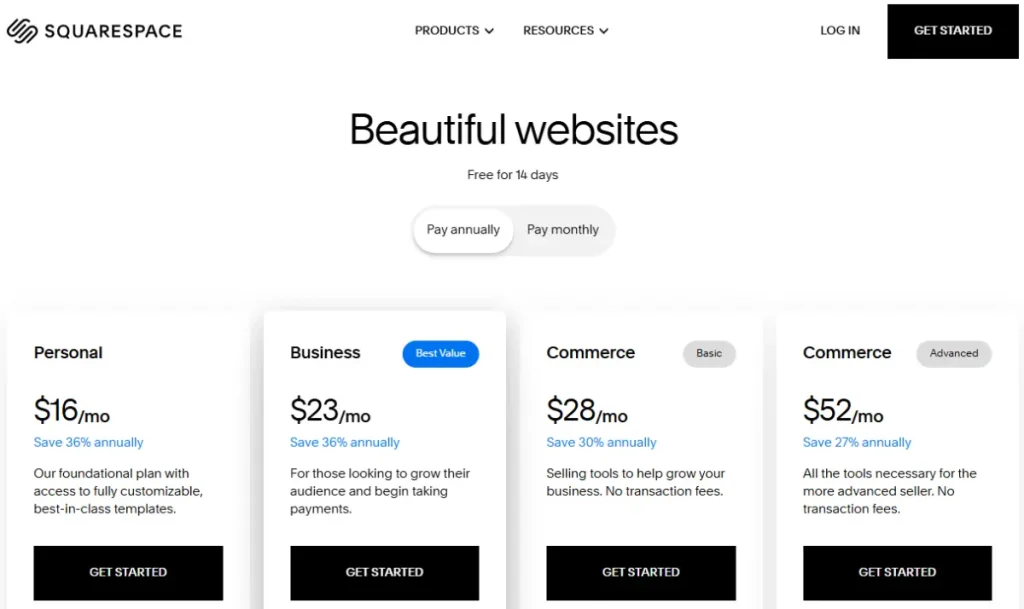
eCommerce-enabled plans start at $16/month (with a 3% transaction fee).
5. BigCommerce
BigCommerce is a powerful, hosted eCommerce platform that positions itself as a more flexible and feature-rich alternative to Shopify, particularly for large or fast-growing stores.
Its biggest SEO advantage is its powerful set of built-in features and its fully customizable URL structure.
BigCommerce is an all-in-one solution that aims to provide more advanced functionality out of the box, reducing the reliance on third-party apps and giving merchants deep control over their store’s performance and SEO.
Key Features
- Full control over URL structure (no forced prefixes).
- Powerful faceted navigation for large catalogs, designed for SEO.
- Robust, built-in blogging platform.
- Industry-leading site speed and performance.
- Comprehensive, built-in SEO tools for metadata and technical management.
- Strong multi-channel selling capabilities.
- No transaction fees on any plan.
Pros
- Excellent Built-in Features: More advanced functionality is included natively compared to Shopify.
- Superior SEO Flexibility: Full URL control gives it a technical edge over Shopify.
- Highly Scalable: Built to handle large, complex stores with ease.
Cons
- Steeper Learning Curve: Its extensive feature set can be more complex to learn than Shopify.
- Fewer Themes: Has a smaller selection of themes in its marketplace.
Who is it best for?
BigCommerce is the best choice for mid-sized to enterprise-level businesses that need advanced, built-in SEO and eCommerce features and want more technical control than Shopify offers.
Pricing
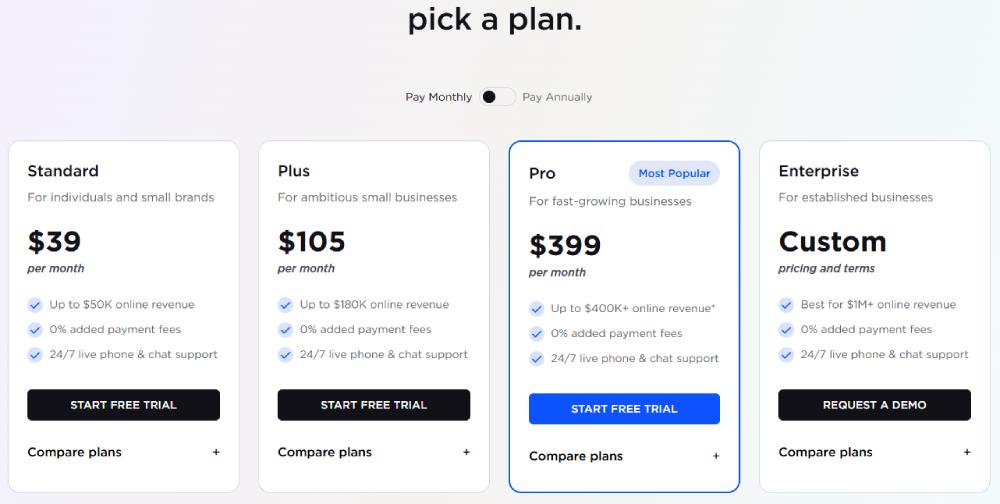
Starts at $39/month for the Standard plan.
6. Wix
Wix is an incredibly popular all-in-one website builder known for its ultimate creative freedom and beginner-friendly, drag-and-drop editor.
Over the years, Wix has invested heavily in its eCommerce and SEO capabilities, transforming it into a powerful and versatile platform.

It offers a comprehensive suite of SEO tools (the Wix SEO Wiz) that guides users through the optimization process, making it a strong contender for small businesses and beginners.
Key Features
- The Wix SEO Wiz, a step-by-step guide to optimizing your site.
- Full control over metadata, URLs, and other on-page elements.
- Automatic sitemap generation, SSL, and mobile optimization.
- A large app market with various SEO and marketing tools.
- Solid eCommerce and blogging functionality.
- Total drag-and-drop design freedom.
- Good performance with managed hosting and CDN.
Pros
- Very Beginner-Friendly: The SEO Wiz is excellent for users with no prior experience.
- Creative Freedom: Allows for complete control over your site’s design.
- Versatile All-in-One Solution: A solid choice for businesses that need a website, blog, and store.
Cons
- Not as Scalable for eCommerce: Lacks the deep inventory and retail features of Shopify or BigCommerce.
- Can’t Switch Templates: Once you choose a template, you are locked in.
Who is it best for?
Wix is the best choice for small businesses, beginners, and creatives who prioritize ease of use and total design freedom and need a versatile platform for a website, blog, and a small-to-medium-sized online store.
Pricing
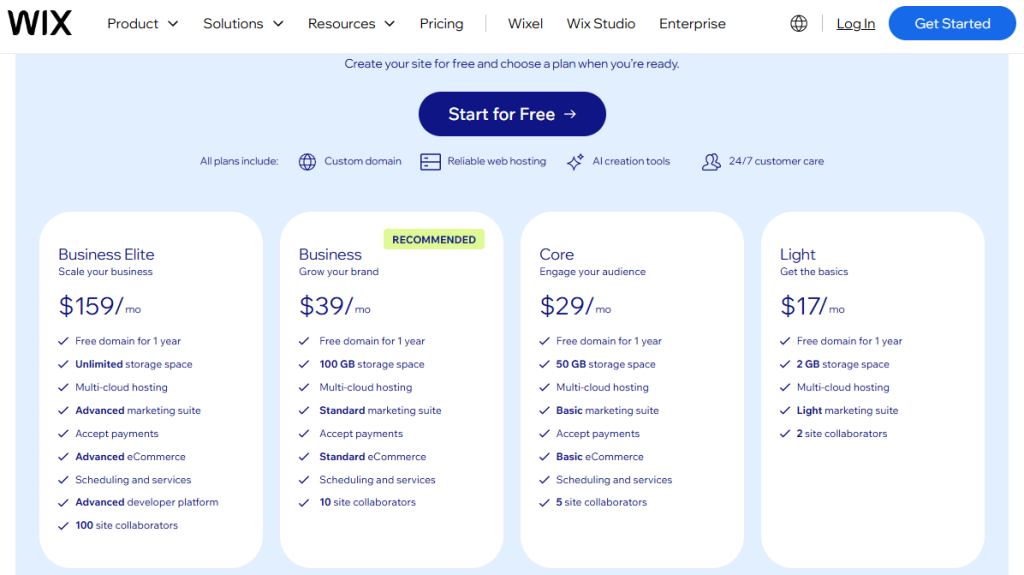
eCommerce plans start at $17/month.
More useful article for you:
👉eCommerce SEO Content Optimization: Proven Strategies to Boost Search Rankings in 2026
👉10 Best SaaS eCommerce Platforms to Sell Your Products Online
👉Webflow vs Shopify: Which One is Best for eCommerce?
👉10 Tips to Choose a eCommerce Website Builder for Your Business
Frequently Asked Questions (FAQ)
1. Which eCommerce platform is the absolute best for SEO?
For ultimate control, flexibility, and content marketing power, WooCommerce with WordPress has the highest SEO ceiling. However, for the best combination of powerful SEO tools and ease of use, BigCommerce and Webflow have a slight technical edge over Shopify due to their flexible URL structures and clean code.
2. Can I get good SEO results with Shopify?
Yes, absolutely. Shopify is an excellent platform for SEO, and millions of stores rank very well using it. It handles all the technical basics perfectly, and its speed and reliability are top-tier. Its main limitation (rigid URLs) is a minor issue for most businesses.
3. Do I need to be a developer to use WooCommerce?
You don’t need to be a developer, but it helps to be technically inclined. You will be responsible for choosing hosting, managing updates, and ensuring your site is secure, which is a greater responsibility than with a hosted platform like Shopify or Squarespace.
4. Which platform is the cheapest to start an online store?
WooCommerce has the lowest potential starting cost, as the software is free and you only need to pay for a basic hosting plan. Among the hosted platforms, Wix and Squarespace typically offer the most affordable entry-level eCommerce plans.
Conclusion: Making Your Platform Work for Your Business
Choosing the best eCommerce platform for SEO in 2026 is not about finding a single winner, but about selecting the platform that is the perfect fit for your business model, technical skill, and long-term ambition.
For unparalleled control and content marketing power, choose WooCommerce.
For the best all-around ease of use and eCommerce functionality, choose Shopify.
For enterprise-level features and SEO flexibility, choose BigCommerce.
For unmatched design freedom and technical SEO performance, choose Webflow.
For stunning design and curated simplicity, choose Squarespace.
For the easiest and most flexible builder for beginners, choose Wix.
By carefully evaluating your needs against the core strengths of each platform, you can confidently build your online store on a foundation that is engineered not just to sell, but to rank.