
In the vast and competitive landscape of eCommerce, two platforms stand as undisputed titans: WooCommerce and Shopify.
The WooCommerce vs Shopify debate is one of the most critical conversations for any entrepreneur looking to sell online in 2026.
Choosing between them is not merely a technical decision; it’s a strategic choice between two fundamentally different philosophies, the absolute control of an open-source system versus the streamlined convenience of an all-in-one, hosted solution.
The stakes for this decision are immense. With global eCommerce sales poised to break records this year, the platform you choose is the engine that will power your growth.
User experience is paramount; a recent study found that 88% of online shoppers are less likely to return to a site after a single bad experience.

Furthermore, with mobile commerce now accounting for over 60% of all online sales, a flawless mobile presence is critical.
These platforms together power a colossal portion of the internet’s storefronts, with Shopify powering over 4.8 million websites and WooCommerce being used by over 3.8 million stores.
This in-depth guide provides a detailed comparison, breaking down the 11 key differences every store owner must know.
We will dissect their features, true costs, scalability, and ease of use to help you make an informed decision and select the platform that will best serve your business’s unique needs.
Key Takeaways
- The Core Difference: Understand the fundamental distinction: WooCommerce is a free, open-source plugin for WordPress that gives you total control, while Shopify is an all-in-one, hosted platform that provides simplicity and security.
- The True Cost of Selling: Discover why WooCommerce’s “free” software tag doesn’t mean it’s cheaper. We’ll compare the total cost of ownership, including hosting, security, and premium extensions, for both platforms.
- Ease of Use for Beginners: See why Shopify’s guided setup and integrated features make it the undisputed winner for entrepreneurs with limited technical skills.
- Flexibility vs. Simplicity: Learn about the limitless customization potential of WooCommerce versus the curated, user-friendly ecosystem of the Shopify App Store and Theme Store.
- A Platform for Every Ambition: Receive a clear, scenario-based verdict to help you decide which platform is the ideal fit, whether you’re a budget-conscious startup, a content-first brand, or a high-growth retail business.
What is WooCommerce?
WooCommerce is not a standalone website builder. It is a free, open-source eCommerce plugin designed exclusively for WordPress, the world’s most popular Content Management System (CMS).

To use WooCommerce, you must first have a WordPress website. It transforms your content-focused site into a fully functional eCommerce store, offering unparalleled flexibility and customization for those willing to manage the technical aspects themselves.
What is Shopify?
Shopify is an all-in-one, hosted eCommerce platform.

This means it provides all the software and hardware needed to create and run an online store, including the website builder, hosting, security, and payment processing, all in one package for a monthly fee.
Its mission is to make commerce accessible to everyone, providing a powerful yet incredibly user-friendly solution for building and scaling an online retail business.
Quick Comparison Table: WooCommerce vs Shopify
| Feature | WooCommerce | Shopify |
| Primary Model | Open-Source Plugin (Self-Hosted) | Hosted eCommerce Platform (All-in-One) |
| Ease of Use | Moderate to Advanced (Requires WordPress knowledge) | Excellent (Beginner-Friendly) |
| Upfront Cost | Low (Plugin is free, but hosting costs) | Low (Monthly subscription) |
| Total Cost | Variable (Can be cheaper or more expensive) | Predictable (Fixed monthly fees) |
| Design Control | Unlimited (Full access to code & themes) | Very Good (Theme-based, structured editor) |
| Security | User-Managed (You are responsible) | Platform-Managed (Shopify handles it) |
| Technical Maintenance | User-Managed (Updates, backups, etc.) | Platform-Managed (Automatic) |
| App Marketplace | Massive (50,000+ WordPress plugins) | Massive (8,000+ Shopify apps) |
| SEO Capabilities | Excellent (with plugins like Yoast) | Very Good (but with rigid URL structure) |
| Best For | Tech-savvy users, content-first sites, custom builds | Beginners, large stores, ease of use |
Pricing Comparison: WooCommerce vs Shopify
| Platform | WooCommerce | Shopify |
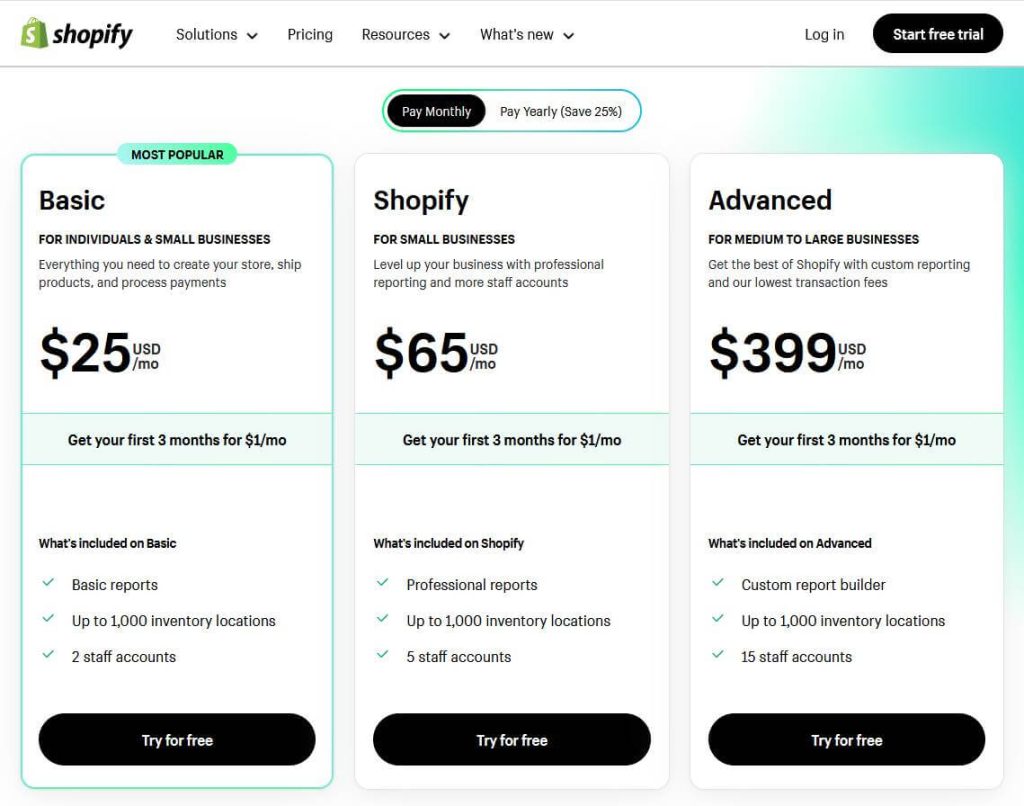
| Entry eCommerce Plan | FREE | Basic ($25/month) |
| Mid-Tier eCommerce Plan | FREE | Grow ($65/month) |
| Advance eCommerce Plan | FREE | Advance (399$/month) |
| Business eCommers Plan | FREE | Plus (2300$/month) |
| Transaction Fees | FREE | 0% with Shopify Payments (0.6-2% with others) |
| For Yearly Payment | FREE | Save Up to 25% |
Pricing Analysis:
For a basic store, Shopify’s costs are more predictable.
WooCommerce can be cheaper, especially if you are comfortable managing the technical side and are selective with premium extensions, but costs can quickly add up and become less predictable.
Shopify vs WooCommerce: 11 Key Differences
1. Ease of Use for Beginners
WooCommerce
Has a steeper learning curve. It assumes you are already familiar with WordPress. You are responsible for finding hosting, installing WordPress, and then installing and configuring the WooCommerce plugin.
While powerful, it is not as straightforward for a true beginner.
If you’re just starting out, check out our detailed WooCommerce guide designed for true beginners.
Shopify
This is where Shopify shines. It is designed for users with zero technical experience. The setup process is guided, and the interface for adding products and managing your store is incredibly intuitive.
Winner: Shopify
2. Design, Themes, and Customization
WooCommerce
Offers limitless customization. Because it’s open-source, you (or a developer) can modify every aspect of your store’s design.
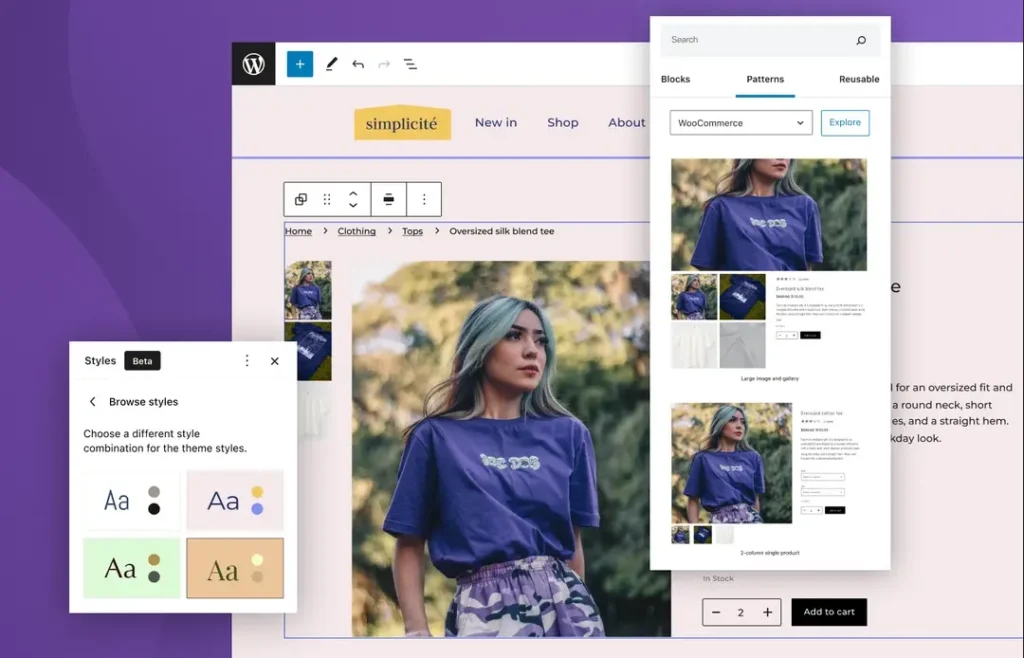
You can choose from thousands of themes from marketplaces like ThemeForest or build a completely custom theme from scratch.
Shopify
Provides a more curated experience. The Shopify Theme Store offers over 100 high-quality, vetted themes.
While you can customize these themes extensively using the OS 2.0 editor, you don’t have the same level of deep code access as with WooCommerce.
Winner: WooCommerce (for total control), but Shopify is easier for a great-looking store.
3. Payment Gateway Options
WooCommerce
Supports a vast number of payment gateways. You can integrate with major providers like Stripe and PayPal, as well as dozens of smaller, local, or niche gateways. It offers immense flexibility.
Shopify
Integrates with over 100 third-party payment gateways but strongly encourages the use of its native Shopify Payments.
The key difference is that Shopify charges an additional transaction fee (from 0.5% to 2%) if you don’t use Shopify Payments.
Winner: WooCommerce (for flexibility), but Shopify Payments is an excellent and often cost-effective solution.
4. SEO Capabilities
WooCommerce
Leverages the power of WordPress, which is an exceptional platform for content and SEO.
When paired with a powerful SEO plugin like Yoast SEO or Rank Math, you have granular control over every aspect of your on-page and technical SEO, including full control over your URL structure.
Shopify:
Has very strong, built-in SEO features that cover all the essentials for eCommerce.
However, its one notable weakness is a rigid URL structure (forcing /products/ and /collections/ prefixes), which is a frustration for some SEO professionals.
Winner: WooCommerce, by a slight margin, due to its superior flexibility and blogging capabilities.
5. Apps, Plugins, and Integrations
WooCommerce
Has access to the entire WordPress plugin ecosystem, with over 50,000 plugins. You can find a plugin for almost any functionality imaginable.
However, the quality can vary, and managing too many plugins can lead to conflicts or security issues.
Shopify
The Shopify App Store is a curated marketplace with over 8,000 apps specifically designed for eCommerce.
These apps are vetted by Shopify for quality and are generally easier to install and manage, though many operate on a monthly subscription model.
Winner: Tie. Both offer massive ecosystems. WooCommerce has more quantity; Shopify has more curated, eCommerce-specific quality.
6. Security and Maintenance
WooCommerce
You are fully responsible for your store’s security and maintenance.
This includes finding a secure host, purchasing an SSL certificate, running backups, updating plugins, and scanning for malware.
This is a significant responsibility that should not be taken lightly.
Explore our expertly curated list of the best WordPress security plugins to keep your site fast, safe, and protected against modern threats.
Shopify
Shopify is a hosted platform, meaning they handle all security and maintenance for you.
This includes PCI compliance for payments, SSL certificates, server security, and software updates. This peace of mind is one of Shopify’s biggest selling points.
Winner: Shopify, by a significant margin.
7. Dropshipping Capabilities
WooCommerce
It is excellent for dropshipping, with numerous plugins and extensions that allow for integration with popular suppliers like AliExpress and Printful. It offers a high degree of flexibility in how you build your dropshipping business.
Shopify
It is generally considered the gold standard for dropshipping beginners. Its app store has deep, one-click integrations with all major dropshipping platforms, making it incredibly easy to import products and automate fulfillment.
Note: Want to launch your own Shopify dropshipping store? Check out our in-depth step-by-step guide on starting a successful Shopify dropshipping business.
Winner: Shopify, for its ease of use and seamless app integrations.
Best Hosting Solutions
- Best High Speed Web Hosting by Hostinger
- Low Cost Web Hosting Solution for Everyone by NameCheap
- Next-Gen VPS Hosting Solutions by Liquid Web
- Exclusive Website hosting by Inmotion Hosting
Best Cloud Hosting Solutions
Start Your eCommerce Online Store
Shopify eCommerce Online Store Builder for just $1
Marketing Tools
SEO Tools
#1 All in One SEO Tool – Semrush
8. Blogging and Content Marketing
WooCommerce
It is built on WordPress, the world’s best blogging platform. This gives it unparalleled capabilities for content marketing.
You can create a rich, content-driven eCommerce site with a powerful blog, custom post types, and advanced layouts.
Shopify
Has a solid, built-in blogging platform that is perfectly adequate for most eCommerce stores. However, it is not as flexible or powerful as WordPress.
Winner: WooCommerce, by a landslide.
9. Scalability
WooCommerce
It is highly scalable, but that scalability depends on you.
As you grow, you will need to upgrade your hosting plan (from shared to a VPS or dedicated server) and optimize your site for performance.
It can scale to any size, but it requires technical management.
Shopify
It is designed to scale with you automatically. As your business grows, you can simply upgrade your Shopify plan.
Their enterprise-level solution, Shopify Plus, powers some of the biggest brands in the world. You never have to worry about server management or outgrowing your host.
Winner: Shopify, for its hands-off, seamless scalability.
10. Customer Support
WooCommerce
As a free plugin, WooCommerce itself does not have a central support team you can call.
Your support comes from your hosting provider, theme/plugin developers, and the vast global community of WordPress developers and forums. The quality of support is variable.
Shopify
Offers excellent, 24/7 customer support via live chat, email, and phone on most plans.
Their dedicated support team is a huge asset for business owners who need quick and reliable answers to their questions.
Winner: Shopify.
11. Point of Sale (POS)
WooCommerce
It can be used for in-person sales through various third-party plugins and integrations, but it is not a native feature and can be complex to set up and sync.
Shopify
Offers a powerful and deeply integrated POS system (Shopify POS Pro) that seamlessly syncs your online and physical retail sales, inventory, and customer data.
Winner: Shopify, by a significant margin.
Which One Wins for You? A Scenario-Based Guide
Choose WooCommerce if you are a…
- Tech-Savvy Entrepreneur on a Budget: If you are comfortable managing your own hosting and security, WooCommerce can be a more cost-effective and powerful solution.
- Content-First Business: If your business model is built around a blog or a content-rich site that also sells products, the power of WordPress + WooCommerce is unmatched.
- Brand Needing Full Customization: If you need to build a completely custom shopping experience or have very specific functionality requirements, the open-source nature of WooCommerce gives you limitless control.
Choose Shopify if you are a…
- Beginner in eCommerce: If you are new to selling online and want the easiest, fastest, and most user-friendly path to launching your store, Shopify is the best choice.
- High-Growth Retail Brand: If you plan to scale your business significantly and want a platform that can grow with you without requiring technical management, Shopify is the answer.
- Business with a Physical and Online Presence: If you need to sync your in-person and online sales, Shopify’s integrated POS system is the industry leader.
Here’s another resource worth checking out:
👉 Shopify Review 2026 Features Pros And Cons: Is It Right for You to Build Online Store?
👉 eCommerce vs Dropshipping (2026): What’s the Difference & Which Is Better?
👉 Best SaaS eCommerce Platforms to Sell Your Products Online
👉 WordPress vs Squarespace vs Wix (2026): Which Website Builder Should You Choose?
Frequently Asked Questions (FAQ)
Is WooCommerce really free?
The WooCommerce plugin itself is free, but you must pay for essential services to run it, including web hosting, a domain name, and an SSL certificate. Costs can also add up for premium themes and extensions.
Can I migrate from Shopify to WooCommerce (or vice versa)?
Yes, migration is possible in both directions, but it is a complex process. It typically involves exporting your product and customer data and then importing it into the new platform. You will need to completely rebuild your website’s design. Many businesses hire a developer to handle this process.
Which platform is better for dropshipping?
For beginners, Shopify is generally considered better for dropshipping due to its user-friendly interface and seamless one-click app integrations with major suppliers. WooCommerce is also a very powerful option, but it requires a more hands-on technical setup.
Can I have a blog on Shopify?
Yes, Shopify has a built-in blogging platform that is solid and easy to use. It’s great for standard blog posts and company updates. However, it is not as flexible or powerful as WordPress, which is a dedicated content management system.
Conclusion: A Choice Between Ultimate Control and Ultimate Convenience
The WooCommerce vs Shopify debate doesn’t have a single winner because they cater to different needs. The decision ultimately hinges on your budget, technical expertise, and long-term business goals.
Choose WooCommerce if you want complete ownership and limitless customization, are comfortable managing the technical aspects of your site, and want to leverage the world’s most powerful content platform, WordPress.
Choose Shopify if you want an all-in-one, incredibly user-friendly platform that handles all the technical complexities for you, allowing you to focus 100% on building your brand and selling your products with peace of mind.
By honestly assessing your own strengths and business priorities, you can confidently choose the platform that will serve as the best possible foundation for your eCommerce success in 2026.