
In an era dominated by fleeting social media trends and ever-changing algorithms, email marketing remains the undisputed heavyweight champion of digital communication.
While some may view it as old-school, the data tells a different story. In 2026, a well-executed email campaign is still the most direct and profitable way to connect with your audience.
The key, however, is that the old batch and blast approach is dead. Today’s consumers demand personalization, value, and authenticity in their inbox.
The power of email marketing is undeniable. It boasts an astonishing average return on investment (ROI) of up to $42 for every $1 spent.

Furthermore, over 4 billion people use email daily, a number that continues to grow.
With 64% of small businesses using email marketing to reach customers and 77% of marketers reporting an increase in email engagement over the past year, it’s clear that this channel is more vital than ever.
But to succeed, you need to employ sophisticated email marketing strategies that cut through the noise.
This guide will break down the 11 most effective email marketing strategies that are delivering real results in 2026.
We’ll move beyond the basics to explore the power of personalization, automation, and interactive content to help you build a powerful, profitable email program.
Key Takeaways
- Hyper-Personalization is the New Norm: Discover why generic emails no longer work and how to use dynamic content and behavioral triggers to make every subscriber feel like you’re talking directly to them.
- The Power of Segmentation: Learn how to group your audience based on their behavior, interests, and purchase history to send highly relevant messages that dramatically boost engagement.
- Automation That Builds Relationships: Go beyond simple welcome emails. Explore how to build sophisticated automated workflows that nurture leads, onboard new customers, and re-engage inactive subscribers.
- Interactive Content is King: Find out how to use polls, quizzes, and embedded videos directly within your emails to increase engagement and gather valuable customer data.
- AI’s Role in Modern Email: See how AI is revolutionizing email marketing, from writing hyper-personalized subject lines to predicting the best time to send your campaigns for maximum impact.
Why Email Marketing is Still King in 2026
Before we dive into the strategies, it’s important to understand why email remains so powerful. Unlike social media, you own your email list.
You are not at the mercy of an algorithm change that could decimate your reach overnight.
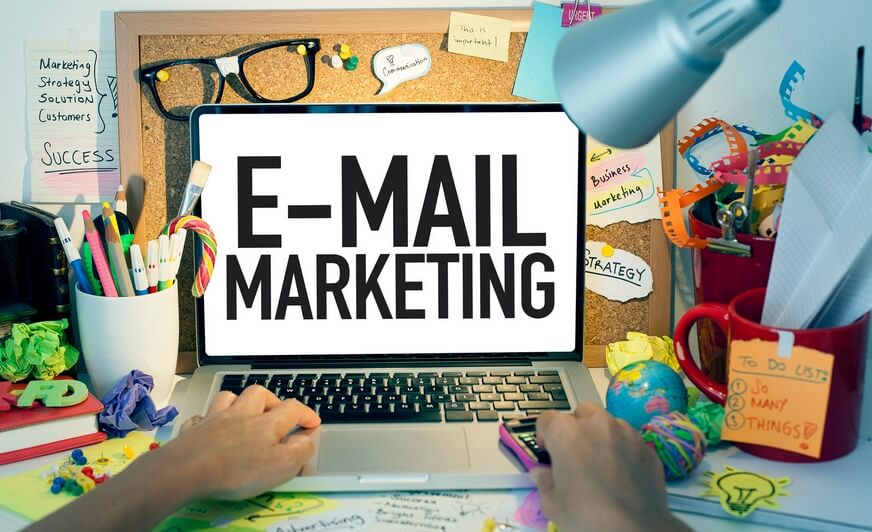
It’s a direct, one-to-one line of communication with an audience that has explicitly given you permission to contact them.
This level of intimacy and control is unmatched by any other marketing channel.
11 Proven Email Marketing Strategies That Actually Work
1. Master Hyper-Personalization
Generic, one-size-fits-all emails are a thing of the past. Hyper-personalization uses subscriber data to create a truly individualized experience.
This goes far beyond just using a subscriber’s first name.
Use Dynamic Content: Most modern email service providers (ESPs) allow you to show different content blocks to different segments within the same email.
For example, an e-commerce store can display product recommendations based on a user’s past purchase history.
Behavioral Triggers: Send automated emails based on a user’s behavior on your website. If a user views a specific product category, you can send them a follow-up email with related items.
2. Implement Advanced Audience Segmentation
Segmentation is the practice of dividing your email list into smaller, more targeted groups.
This allows you to send more relevant and effective messages.
Instead of blasting your entire list with the same offer, you can segment by:
- Purchase History: Target repeat customers with a loyalty discount or new customers with a welcome offer.
- Website Behavior: Create a segment of users who have visited a certain page but haven’t converted.
- Engagement Level: Group your most active subscribers (superfans) for exclusive content, and create a re-engagement campaign for those who haven’t opened your emails in a while.
3. Build Sophisticated Automation Workflows
Marketing automation is your key to scaling your efforts while maintaining a personal touch. Go beyond a simple welcome series and build out a library of automated workflows.
Abandoned Cart Series: For eCommerce, this is a must. Send a series of 2-3 emails to users who add a product to their cart but don’t complete the purchase. This single workflow can recover a significant amount of lost revenue.
Lead Nurturing Series: For B2B or service-based businesses, create a drip campaign that educates a new lead over time, building trust and guiding them toward a purchase decision.
Onboarding Series: After a customer makes a purchase, send a series of emails that help them get the most out of your product or service, reducing churn and increasing customer satisfaction.
4. Create Interactive and Engaging Content
An email doesn’t have to be a static message. Modern email clients now support a variety of interactive elements that can dramatically increase engagement.
Polls, Quizzes, and Surveys: Embed simple polls or surveys directly in your email to gather valuable customer feedback and make your content more fun.
Image Carousels and Sliders: Allow users to browse multiple products or images without ever leaving their inbox.
Interactive Add to Cart Buttons: Some advanced platforms enable you to create a full checkout experience directly within the email, minimizing friction to an absolute minimum.
5. Leverage the Power of AI
Artificial intelligence is no longer a futuristic buzzword; it’s a practical tool that is revolutionizing email marketing.
AI-Powered Copywriting: Use AI tools to help you write and test dozens of different subject lines and email copy variations to find what resonates best with your audience.

Predictive Sending: Many ESPs now utilize AI to analyze each subscriber’s past open behavior and can automatically send emails at the optimal time for that specific person to maximize open rates.
Predictive Segmentation: AI can analyze your customer data to identify hidden segments and predict which customers are most likely to churn or make a future purchase.
Stop guessing and start growing! Check out our ultimate guide to the best email marketing tools for your business.
6. Focus on Building a Quality Email List (with Gated Content)
Your email marketing is only as good as your list. In 2026, the focus is on quality over quantity.
The best way to build a high-quality list is to offer a valuable incentive in exchange for an email address.
Gated Content: Offer a high-value piece of content, like an in-depth ebook, a free webinar, a checklist, or a case study, that a user can only access by providing their email.
This ensures that you are attracting subscribers who are genuinely interested in your area of expertise.
Ready to clean up your inbox game? Here’s the ultimate guide to validate your email list and boost delivery rates.
7. Re-Engage and Prune Your Inactive Subscribers
Over time, some subscribers will stop engaging with your emails. It’s crucial to have a strategy for dealing with this.
Create a Re-engagement Campaign: Build an automated workflow for subscribers who haven’t opened your emails in 90 days. Send them a series of emails with a compelling offer, asking if they still want to hear from you.
Prune Your List: If a subscriber doesn’t re-engage after your campaign, it’s time to remove them from your list. While it might seem counterintuitive to delete subscribers, a smaller, highly engaged list is far more valuable.
It will improve your open rates, click-through rates, and sender reputation, ensuring your emails actually land in the inbox.
8. Utilize User-Generated Content (UGC) for Social Proof
As we’ve discussed, authenticity is paramount. Featuring real customers in your emails is a powerful way to build trust and social proof.
Showcase Customer Reviews: Include snippets of your best product reviews in your promotional emails.
Feature Customer Photos: Run a campaign encouraging customers to share photos with your product on social media, and then feature the best ones in your newsletter (always with permission!).
This shows your product being used and loved by real people.
9. Optimize for Dark Mode and Mobile
Over half of all emails are opened on a mobile device, and a significant portion of users now use dark mode. Your email design must account for both.
Responsive Design: Use a mobile-first email template that adapts perfectly to any screen size.
Dark Mode Compatibility: Ensure your images have transparent backgrounds and that your text and logo are visible and on-brand in both light and dark modes. Test your emails in various clients to make sure they look great everywhere.
10. A/B Test Everything
Never assume you know what will work best. A data-driven approach is essential for continuous improvement.
What to Test: You can A/B test almost any element of your email:
- Subject Lines (e.g., short vs. long, with or without emojis)
- From Name (e.g., John from Company vs. The Company Team)
- Call-to-Action (e.g., button color, button text)
- Email Copy (e.g., long-form vs. short-form)
Test One Variable at a Time: To get clean results, only test one element at a time. This will tell you exactly what change caused the increase or decrease in performance.
11. Prioritize Accessibility
Email accessibility means making sure that your emails can be read and understood by everyone, including people with disabilities who may be using screen readers.

Use Alt Text for Images: Add descriptive alt text to all your images to describe what they are for users who cannot see them.
Maintain a Logical Heading Structure: Use proper heading tags (<h1>, <h2>) to structure your email for easy navigation.
Ensure High Contrast: Make sure your text color has sufficient contrast against its background color to be easily readable.
Here’s another resource worth checking out:
👉Shopify Email vs Mailchimp (2026): Which Email Marketing Tool Wins?
👉 What Is an Email Sequence: Writing, Tips, and Best Practices
👉How to Make a QR Code for Google Form (Step-by-Step Guide 2026)
Frequently Asked Questions (FAQ)
How often should I send marketing emails?
There is no magic number. It depends on your industry and your audience. For a retail brand, 2-3 times per week might be appropriate. For a B2B company, once a week or bi-weekly might be better. The key is to be consistent and to monitor your engagement rates. If your open and click rates start to drop, you may be sending too frequently.
What is the most important email marketing metric to track?
While open rate and click-through rate are important, the most critical metric is the conversion rate. This is the percentage of subscribers who took the desired action (e.g., made a purchase, filled out a form). This metric directly ties your email marketing efforts to your business goals.
What is a good email open rate in 2025?
A good email open rate usually falls between 18% and 32%, but highly engaged audiences in niche industries can often reach 40% or more. However, the best practice is to track your own results and work on gradually improving your benchmark.
How can I avoid my emails going to the spam folder?
To avoid the spam folder, you must maintain a good sender reputation. This involves using a reputable email service provider, getting explicit permission from subscribers (double opt-in), keeping your list clean by removing inactive users, and sending valuable, engaging content that people want to receive.
Conclusion: Your Most Powerful Marketing Channel
Email marketing in 2026 is more powerful and sophisticated than ever before.
By moving beyond generic newsletters and embracing these 11 advanced email marketing strategies, you can build a robust program that fosters genuine customer relationships and drives significant, measurable revenue.
Focus on providing value through personalization, engaging with your audience through automation and interactivity, and continuously optimizing your approach with data.
By doing so, you will solidify email as the most profitable and reliable channel in your marketing arsenal.